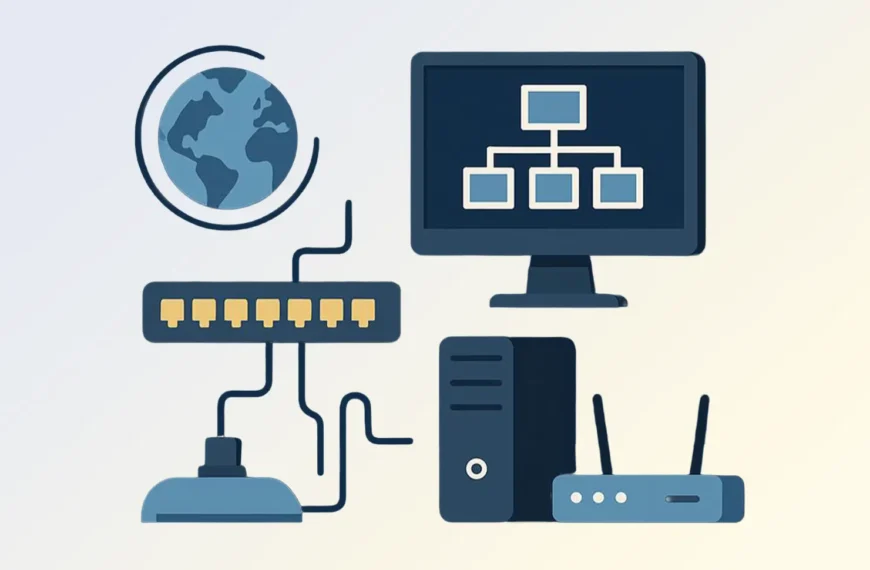

The evolution of hardware trends is significantly influencing the technological landscape. Edge computing is becoming critical for reducing latency and enhancing real-time data processing. Concurrently, artificial intelligence is increasingly integrated into devices, driving smarter functionalities. Energy efficiency is prioritized, reflecting a growing demand for sustainable practices. Meanwhile, advances in 5G technology are transforming connectivity. These interconnected trends suggest a future that is not only efficient but also responsive to emerging consumer expectations. What implications will these changes hold for industries?
The Rise of Edge Computing
As organizations increasingly seek to enhance operational efficiency and reduce latency, the rise of edge computing has emerged as a pivotal trend in the hardware landscape.
This paradigm shift facilitates local processing, allowing data to be analyzed at the source through edge analytics. Such advancements empower businesses to make real-time decisions, ultimately fostering a more responsive and agile operational framework that champions autonomy and innovation.
Integration of Artificial Intelligence in Devices
With the rapid advancements in artificial intelligence (AI), the integration of AI into devices is transforming the hardware landscape, enabling smarter and more efficient operations.
Smart assistants are evolving, providing personalized experiences, while autonomous devices enhance functionality across various sectors.
This convergence of AI and hardware not only improves user interaction but also fosters innovation, paving the way for a more interconnected future.
See also: How AI Is Transforming the World
Focus on Energy Efficiency and Sustainability
Although the demand for advanced technology continues to rise, a significant shift towards energy efficiency and sustainability is reshaping hardware development.
Manufacturers increasingly prioritize renewable energy sources and smart materials to reduce the ecological footprint of devices.
This evolution not only meets consumer expectations for sustainability but also fosters innovation, driving the creation of products that align with a more responsible and liberated technological landscape.
Advances in Connectivity and 5G Technology
How will the advent of 5G technology transform connectivity across various sectors?
Enhanced network latency and speed will empower 5G applications, facilitating the expansion of the Internet of Things (IoT) and enabling the development of smart cities.
This transformation promises unprecedented efficiency and interconnectivity, driving innovation and freedom in communication, transportation, and urban planning, ultimately reshaping societal infrastructure and connectivity paradigms.
Conclusion
In conclusion, the convergence of edge computing, artificial intelligence, energy efficiency, and advanced connectivity heralds a technological revolution that promises to reshape industries with unprecedented speed and agility. As these trends intertwine, they not only enhance operational capabilities but also align with a growing demand for sustainability. The future will be a symphony of interconnected devices, where efficiency reigns supreme, and organizations that harness these advancements will soar to heights previously thought unattainable.